
Spiritual Development
Our School Vision
Aspirational opportunities for all through the breath of God.
St George’s leads the community by following the teachings of Christ through holistically ensuring excellence for all. Through our happy, secure and stimulating environment all members of the school community grow in self-esteem and potential. Their spiritual, academic and social needs are celebrated as part of daily life.
The Bible story of the ‘Feeding of the 5000’ shows Gods love and our school values – love, care, share, trust and respect.
What is spiritual development?
Spiritual development is deeply individual and unique to each person, making it something that can be challenging to define. It relates to how individuals understand themselves, connect with others, engage with God or a sense of the transcendent, and respond to the natural world around them. While spirituality may be expressed through faith, it is not dependent upon belonging to a particular religion; it is possible to be spiritual without identifying with a specific faith tradition.
Guided by our Christian vision, we believe that every person is created in God’s image and possesses an inherent spiritual dimension. We seek to nurture this through high academic expectations and a strong commitment to enabling both children and adults to flourish and realise their God-given potential.
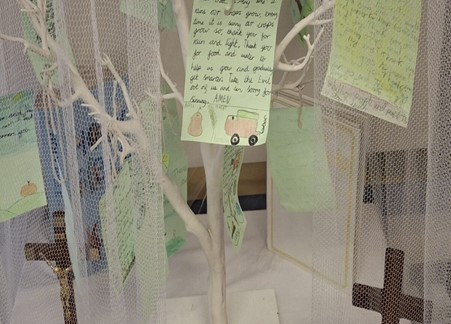
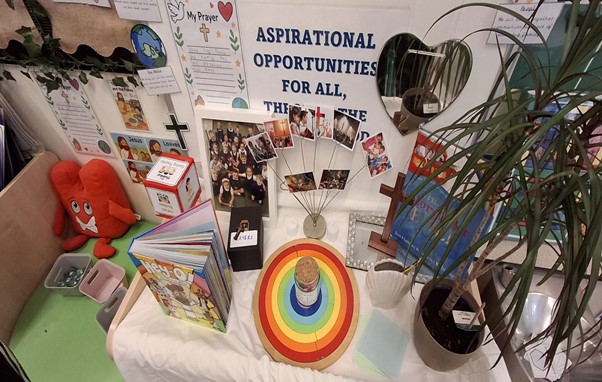
The four elements – these consist of:
Self
- Recognising and understanding our emotions, with the confidence to reflect and communicate them
- Valuing our individuality and developing a secure sense of identity
- Showing thankfulness for our abilities, experiences and personal qualities
- Exploring and shaping our own beliefs and values
- Encouraging imagination, curiosity and creative expression
Others
- Demonstrating compassion, empathy and mutual respect
- Understanding the importance of caring relationships and loving our neighbour
- Contributing positively to the lives of others and recognising our responsibilities within a community
Transcendence (Beyond)
- Being open to experiencing God or reflecting on realities beyond the physical world
- Engaging thoughtfully with profound questions about life, purpose, suffering and the nature of God
- Creating space for prayer, reflection and spiritual connection
- Seeking meaning and understanding in the world around us
Nature
- Cultivating a sense of awe, wonder and curiosity about creation
- Finding joy in everyday moments
- Pausing to reflect on what is truly important
- Valuing and responding to beauty expressed through art, music and the natural world
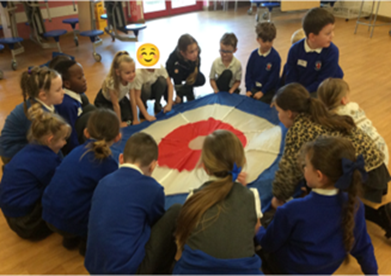
Developing curiosity through questions.
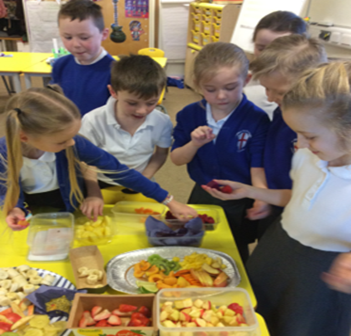
Sharing food with one another and serving each other, developing caring relationships.
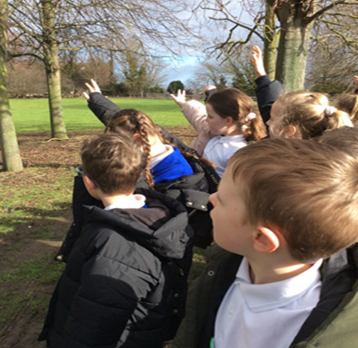
Finding joy on a sunny day in the winter.
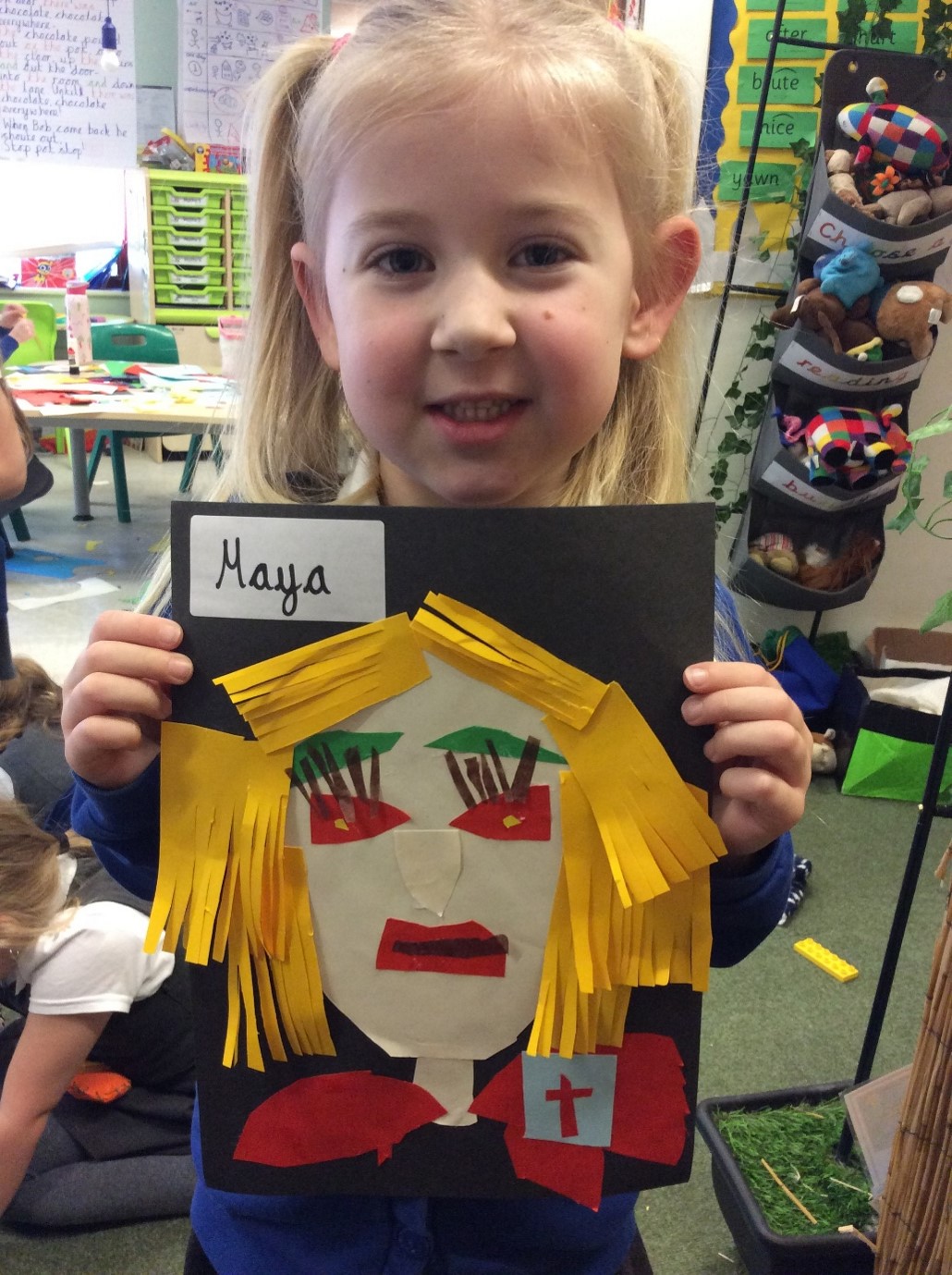
Developing as secure understanding of who we are.
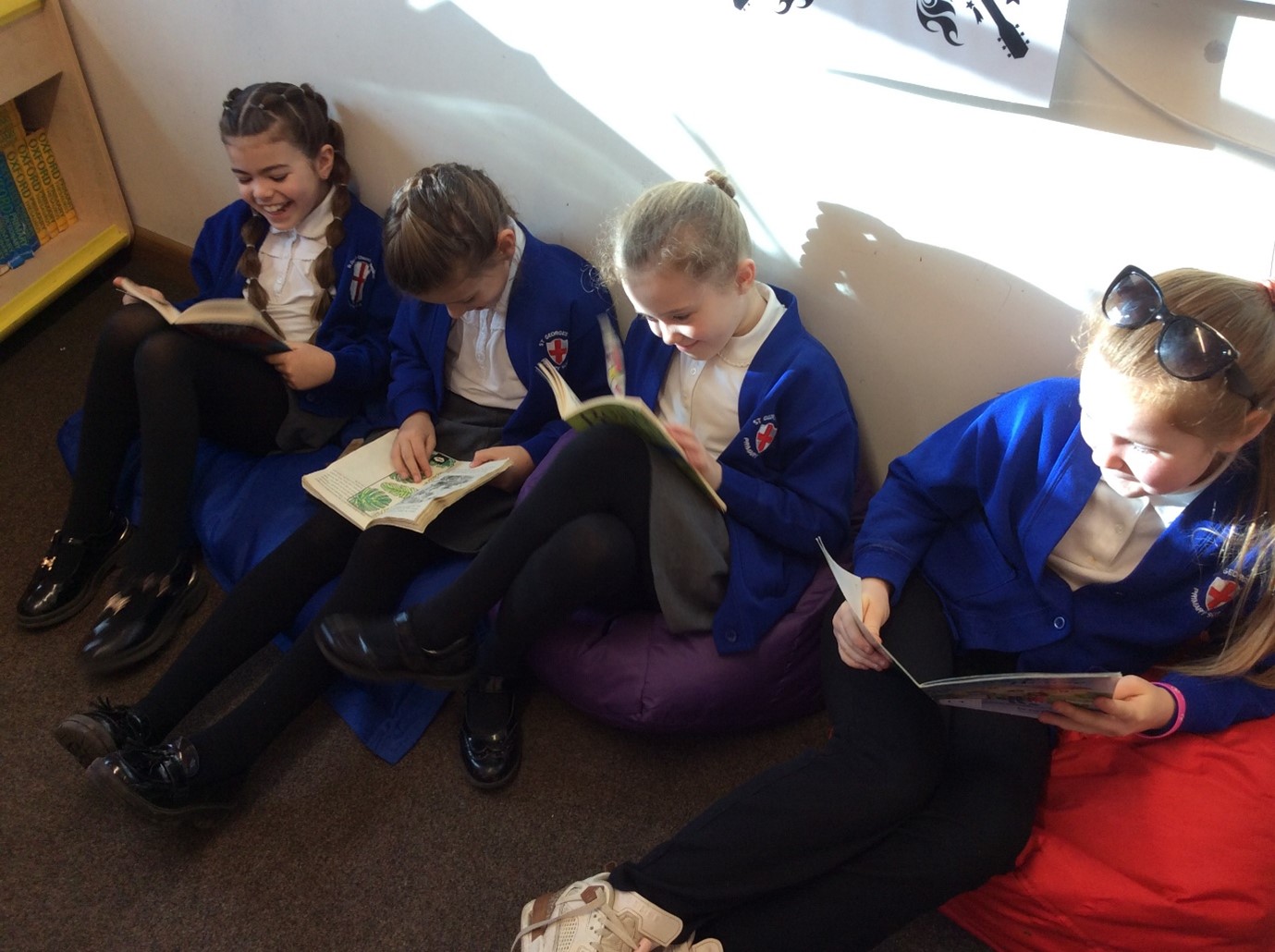
Pausing to reflect on what is important- reading and our friends in the sun.
How we aim to nurture spirituality;
We actively foster children’s spiritual growth across every aspect of school life. Alongside developing knowledge, skills and understanding, we place strong emphasis on nurturing meaningful relationships, rooted in our school Vision and Values. We provide pupils with opportunities to:
- Experience regular moments of stillness and reflection during the day, such as through stories, music, daily reflections, prayer, worship and the use of designated reflective spaces.
- Engage in creative activities that stimulate imagination and self-expression.
- Participate in singing within lessons and collective worship, recognising its value in building community and expressing shared beliefs.
- Explore and articulate their thoughts, feelings and viewpoints across the curriculum, particularly within PSHE/RSE, RE and worship. Approaches such as restorative practice, metacognition, growth mindset, mindfulness and enquiry-based questioning further support this.
- Understand the importance of positive relationships and respectful communication in daily interactions.
- Develop a sense of awe and appreciation for beauty, connection and unity in the world around them.
- Take responsibility for their actions, acknowledging mistakes and seeking reconciliation through approaches such as restorative conversations and viewing mistakes as part of the learning process.
- Demonstrate kindness, empathy and compassion in practical ways, including charitable activities and shared prayer experiences.
- Reflect on significant life questions through RE, themed learning, worship, current events and nurture provision.
- Read widely, including both religious and non-religious texts, to encourage discussion and deeper reflection.
- Form and shape their own set of beliefs and values.
- Consider the experiences of others through storytelling and role-play, developing empathy and understanding.
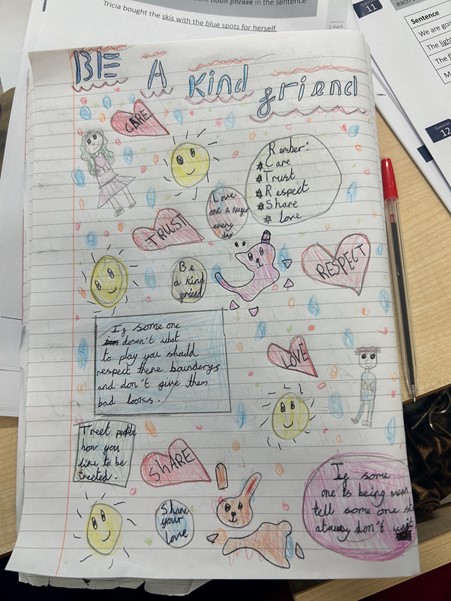
Developing positive relationships
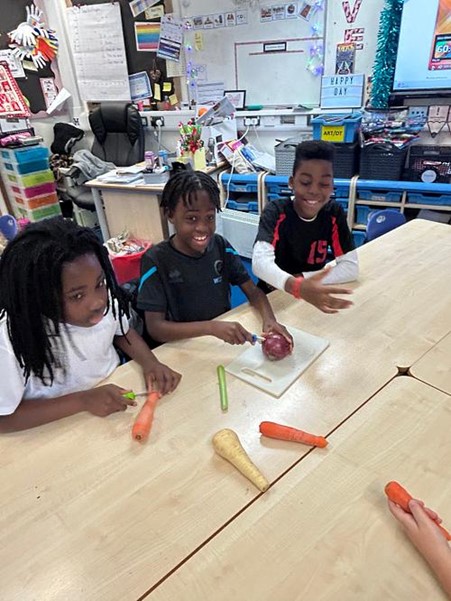
Engagement in activities that stimulate expression and communication
Structures to support and develop spirituality
- Spiritual development is carefully woven throughout our curriculum planning.
- Big Books capture and demonstrate the growth of pupils’ reflective thinking and spirituality over time.
- Collective Worship follows a structured annual programme, rooted in our School Values and informed by Roots and Fruits and diocesan guidance. Themes also incorporate British Values and remain responsive to significant local, national and global events.
- An act of Collective Worship takes place each day in a variety of formats, with contributions from Worship Leaders, pupils and visiting speakers.
- Displays across the school environment are designed to promote reflection and celebrate spiritual growth.
- Educational visits and invited visitors further enrich and strengthen this provision.
Impact: how do we know this is being effective? Spiritual development has supported children in valuing and accepting themselves while building positive, caring relationships with others. They show curiosity and appreciation for the world around them and are open to experiences beyond the purely physical, which may include a sense of faith or belief in God. Children are able to recognise and express their own emotions, while also respecting the feelings of others. They demonstrate a clear sense of right and wrong and a love for what is good. They enjoy moments of calm and reflection, engage their imagination, and take pleasure in creativity and developing new skills
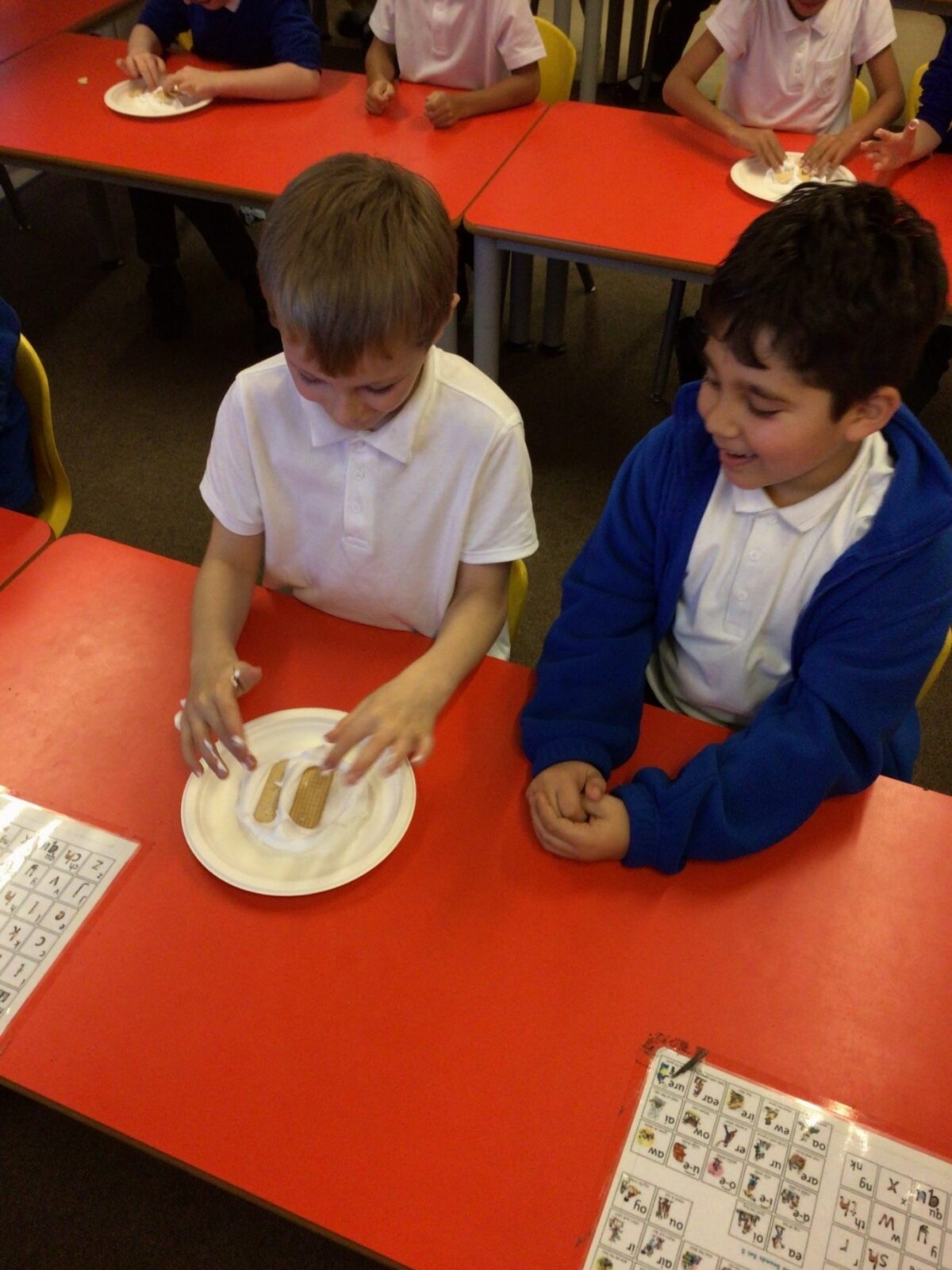
Is it right or wrong to eat the two biscuits or share with each other?
What is the Role of the School Community?
All members of the school community have a responsibility for helping to nurture children’s spiritual development.
School staff can do this through:
- Building and sustaining strong partnerships between children, parents and staff, while acknowledging and respecting the diverse faith backgrounds of pupils and their families.
- Being attentive to the individual needs, experiences and circumstances of each child.
- Acting as positive role models within the school community by living out our School Vision and Values, demonstrating respect, consideration, and support for others.
- Integrating the experiences and perspectives of children and their families into teaching and learning, including Religious Education.
- Being open to enhancing their own understanding of the Christian faith as well as other faiths.
- Actively participating in and supporting Collective Worship.
- Valuing and promoting the importance of spiritual education.
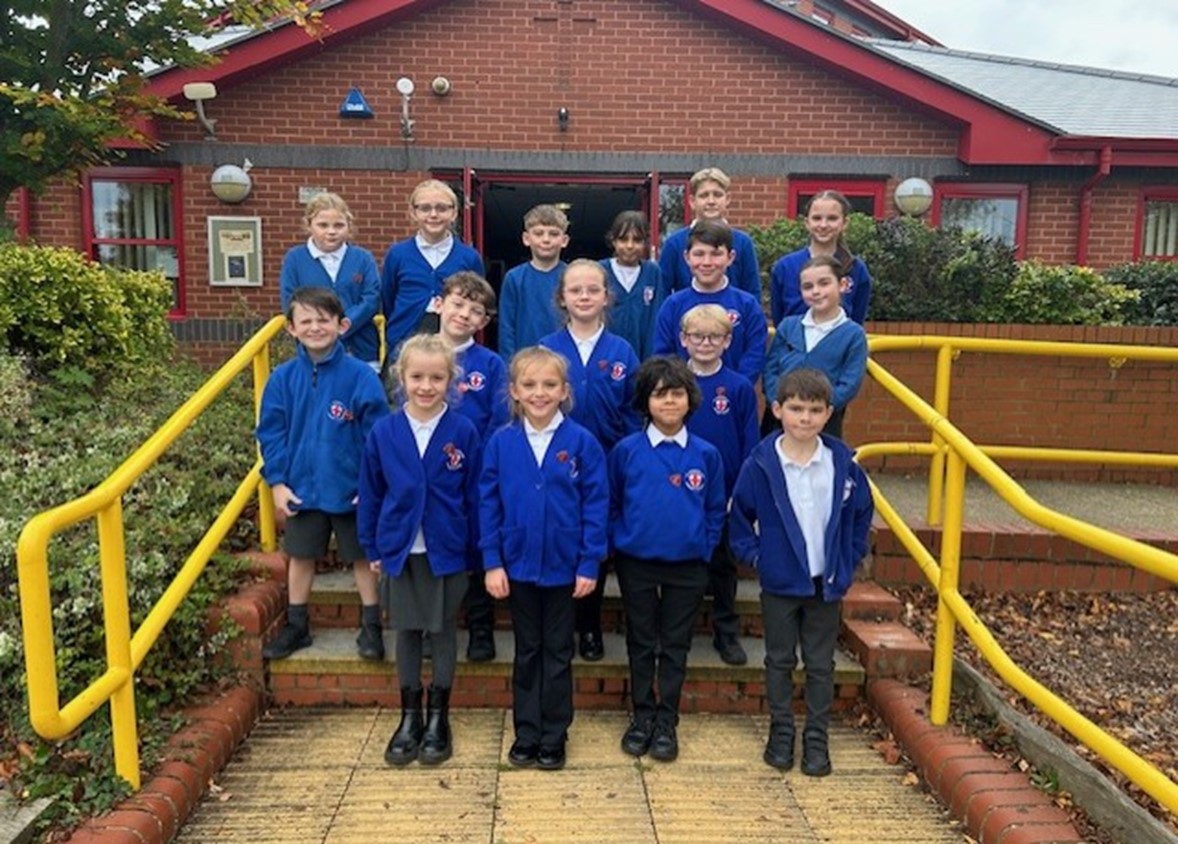
Our worship warriors help pupils to think about their understanding of their place in the world.
Three ways that we as a school provide opportunities for spiritual development;
- WINDOWS: Children are given opportunities to explore the world from fresh perspectives, to be curious about life’s wonders and surprises. Through this, they develop an appreciation for life in all its richness. WINDOWS are incorporated throughout the curriculum, with lessons designed to inspire awe and wonder using a range of stimuli such as images, videos, music, current events, and real-life stories.
- MIRRORS: Children are encouraged to reflect on their experiences, consider life’s big questions, and explore possible responses. In MIRRORS, pupils learn from both their own insights and those of others. High-quality RE lessons consistently challenge children to reflect on religious ideas, helping them to learn from religion, regardless of their personal faith.
- DOORS: Children are supported to act on their reflections, using creativity and practical engagement to express and apply their beliefs and values. DOORS allow pupils to respond to local or global issues, often through fundraising or awareness campaigns, with support from school council and worship leaders. Children are confident that their voices are heard and respected, and they are empowered to raise concerns independently.
Children can do this through:
- Showing respect for the beliefs and perspectives of others.
- Applying our School Vision and Values to support their own learning and to help others grow.
- Actively contributing to Collective Worship and school community activities.
- Engaging fully in lessons, developing the knowledge and skills needed to reach their God-given potential.
- Taking part in learning experiences that encourage thoughtful reflection on a variety of religious beliefs and practices.
Parents and Governors can help through:
Parents and governors can support spiritual development by:
- Valuing and promoting the importance of spiritual education.
- Supporting the school’s Christian ethos and participation in collective worship.
- Showing respect for the beliefs and perspectives of others and modelling this for children.
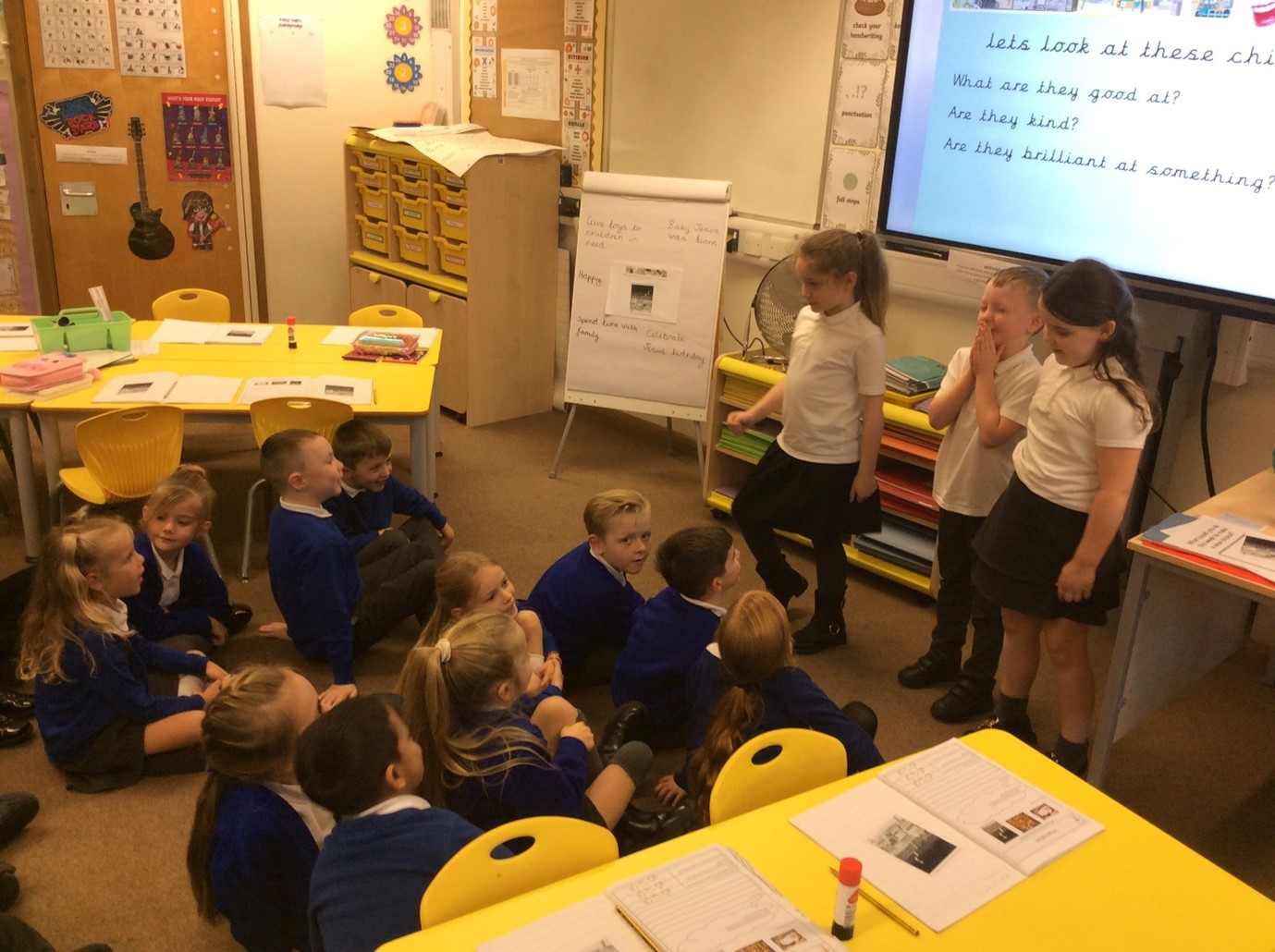
Developing self-worth and expression
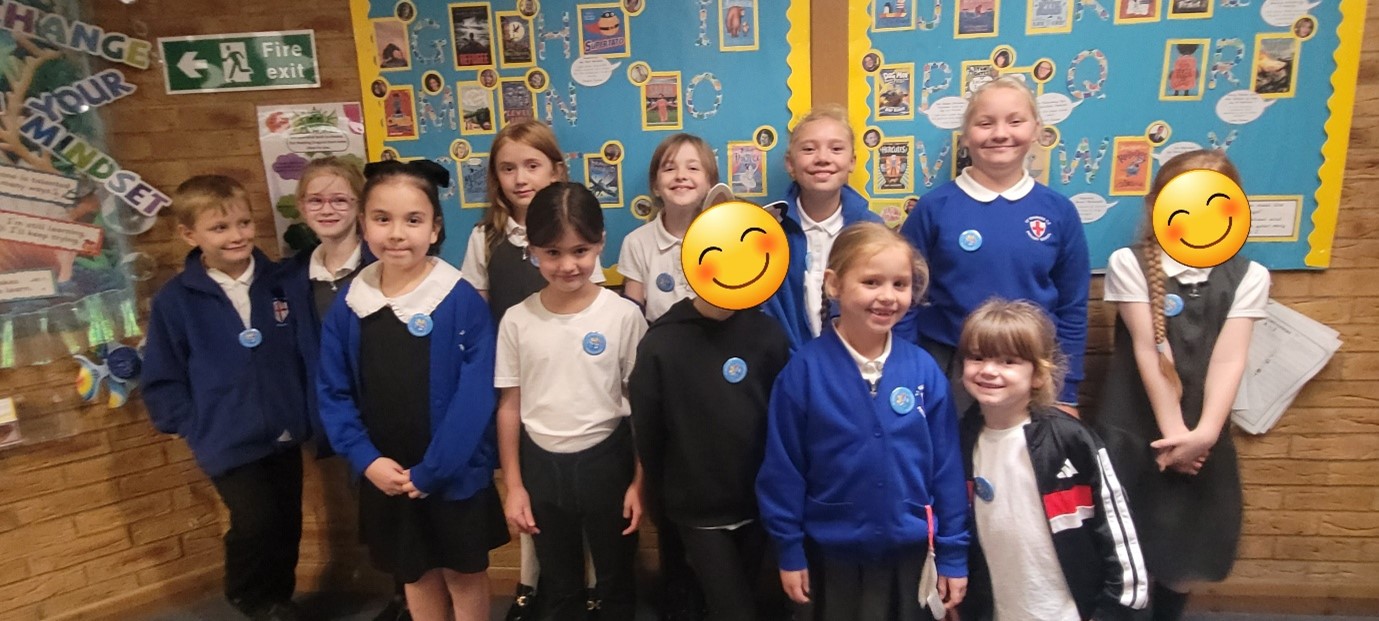
Change your mindset, developing growth mindset.

We are proud to be part of Aquila, the Diocese of Canterbury Academies Trust
Aquila is a family of Church of England and community schools across Kent and South East England, working together to provide high-quality education rooted in Christian values. As part of Aquila, our school benefits from shared expertise, resources, and support, helping every child to flourish academically, socially, and spiritually.